Brick gate piers beside a side passage
A pair of piers either side of a gate is the most visible brickwork in a side passage, and it is also the easiest to miscount. Each pier is a square column of brick on its own footing, and the count comes from the height in courses and the bricks in each course, not from a guess at how the thing will look. This guide builds two piers 1.5 metres high and works the bricks, footings and mortar to one order.
Lakeside BM is the Gillingham and Hempstead delivery site of Discount Builders Merchants (KENT) LTD, the builders' merchant at Lower Road, Northfleet, DA11 9BB. There is one yard, and orders are placed on www.discountbm.co.uk.

Setting out the gate line
Mark the gate opening on the ground first. Its clear width has to let the gate swing and a barrow pass through, so measure the gap the gate needs, then stand each pier outside that gap. Hang the gate from the inside face of the piers. Check the position against the house wall and the boundary with a tape, and look for drains, inspection covers and cable runs before the trench is opened.
Set out each footing with a string line along its faces. Put a peg at every corner, check the diagonals, and make sure both piers sit the same distance from the centre of the gate. A small error on the ground shows at the top of a 1.5 metre column as a gate that will not close square.
Footings for the two piers
Each footing is 600 mm square and 450 mm deep, which takes it below the topsoil into firm ground. Dig both at the same time so the spoil is handled once, remove any loose or soft material from the base, and check the bottom is level before concrete goes in. If a drain runs into a footing position, move the footing rather than cutting the drain.
The concrete is mixed at about one part cement, two parts sharp sand and four parts 20 mm ballast, by volume. Two footings of this size hold about 0.32 cubic metres, so the cement, sand and ballast are counted from that total and not one pier at a time. Let the footings set for a day before any brick goes on them.
Laying the piers course by course
Each pier is 440 mm square, which is two brick lengths in each direction with a 10 mm joint between them. Build it in English bond, with a stretcher course, bricks lying lengthwise, alternating with a header course, bricks turned end-on. Every header course ties the pier across its full 440 mm width, covering the joints of the stretchers beside it. Each course takes eight bricks whichever way it lies, and every course is checked with a spirit level as it goes up.
Twenty courses take a pier to 1.5 metres, at about 75 mm a course counting the brick and the joint. A gauge rod marked at each course keeps the two piers level with each other, and stops one running ahead of the other as the work goes on.
Mortar and the bricks
The mortar here is a five-to-one blend of building sand and cement, measured by volume. The same bucket is used for every batch so the colour and strength hold from one to the next. Wet the bricks before they are laid, since a dry brick draws water out of the mortar and weakens the joint. Mortar that has been left out for more than about two hours is thrown away rather than knocked back.
Draw the bricks from several packs as the work goes rather than one pack at a time, which spreads small shade differences up both piers. A sample course set out dry on the footing shows how the shades sit together before any mortar is used.
Caps, the gate and the planning line
Finish each pier with a cap of brick laid on edge or a stone coping, set with a slight fall in every direction so that rain runs off rather than soaking the top. Hinge and latch fixings are best set into the brickwork as it rises, since a bolt fitted into a finished pier rarely holds well.
Piers beside a road or a footpath are held to a lower height than piers in a back garden. The usual limit next to a highway is about one metre for a wall or gate, so a 1.5 metre pier needs checking with the council before the footings are dug. Put the answer on the order, so the builder and the yard are working to the same height.
Rules of thumb
| Bricks for one pier | Courses at 75 mm each, times eight bricks a course for a 440 mm square pier in English bond. |
|---|---|
| Bricks for the pair | Double one pier, then add 5 per cent for cuts and breakage, rounded up. |
| Footing concrete | Length times width times depth for one footing, then double it for two. |
| Cement for the concrete | About twelve 25 kg bags for each cubic metre at the 1:2:4 mix. |
| Mortar sand | Roughly a tonne of building sand per thousand bricks laid. |
| Mortar cement | Roughly seven 25 kg bags to each tonne of building sand, at the five to one mix. |
The shop has calculators that turn a measurement into a quantity.
Worked order: Two 1.5 metre gate piers in ME7
| Product | Quantity | What it is for | Cost |
|---|---|---|---|
| Cookbridge Yellow Multi Stock Bricks | 340 at £0.65 | Each pier is eight bricks a course and twenty courses high, so 160 bricks, and the pair takes 320. Five per cent for cuts and breakage brings it to 336, rounded up to 340. | £221.00 |
| Bulk Bag Ballast 20mm | 1 at £40.00 | The two footings hold about 0.32 m3 of concrete. At about 1.2 tonnes of 20 mm ballast to the cubic metre, that is 0.4 tonnes, so one bulk bag of about 0.8 tonnes is enough. | £40.00 |
| Bulk Sharp Washed Sand | 1 at £40.00 | The same concrete takes about 0.6 tonnes of sharp sand to the cubic metre, so 0.2 tonnes, and one bulk bag covers it. | £40.00 |
| Bulk Bag Soft Building Sand Nepicar | 1 at £45.83 | Mortar for 320 bricks needs about a tonne of building sand for each thousand, so 0.32 tonnes, which one bulk bag covers. | £45.83 |
| 25kg Mastercrete Cement (plastic) | 7 at £7.99 | Concrete: 0.32 m3 at twelve bags a cubic metre is about 3.9, so 4. Mortar: 0.32 tonnes at seven bags a tonne is about 2.2, so 3. Together 7. | £55.93 |
| Goods | £402.76 | ||
| Delivery to ME7 | £0.00 | ||
| Delivered total ex VAT | £402.76 | ||
| Delivered total inc VAT | £483.31 | ||
Bulk bags: the bags in this order are counted at about 0.8 tonnes each. That is a planning figure. The shop does not publish a weight for a bulk bag, so confirm the number of bags with the yard before ordering.
Not in this order: The coping or cap, the damp-proof layer where a pier meets a house wall, the gate and its hinges and latch, the bolts set into the brickwork, the trench spoil, and any tidying of the mortar joints.
The quantities are a starting point for a job of this size. Put the same goods in a basket on www.discountbm.co.uk with your own postcode to see the figure for your order, or send the yard your list.
On the shop today
The products this guide talks about, from the shop's Bricks aisle. Prices last checked .
-
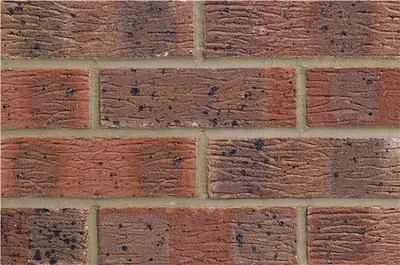 Multi Clayden Red
each
£1.62 inc VAT
£1.35 ex VAT
In the yard
-
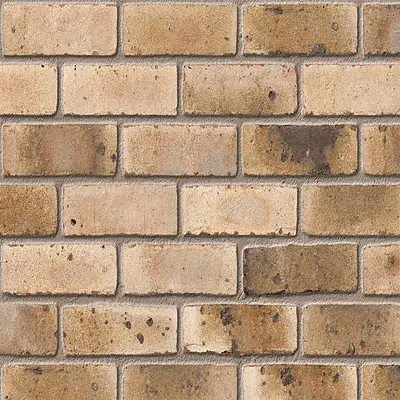 Cookbridge Yellow Multi Stock Bricks
each
£0.78 inc VAT
£0.65 ex VAT
In the yard
-
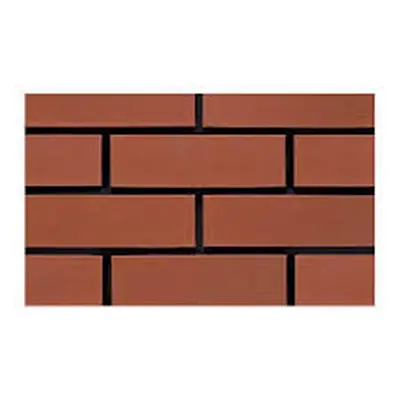 Red Class B Engineering Perf
each
£0.60 inc VAT
£0.50 ex VAT
In the yard
-
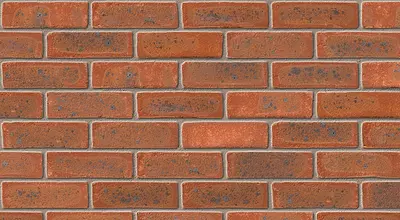 Parkhouse Western Red Multi Offshades
each
£0.50 inc VAT
£0.42 ex VAT
In the yard
-
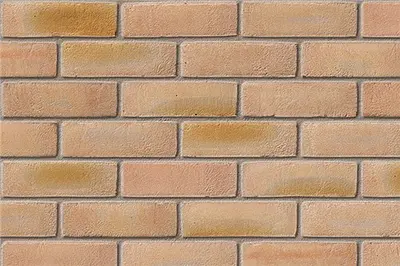 Leicester Yellow Bricks Non Best
each
£0.49 inc VAT
£0.41 ex VAT
In the yard
-
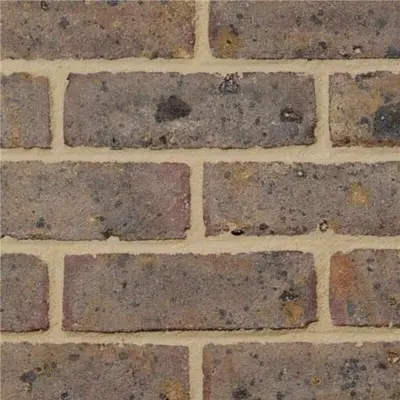 FLB Selected Dark Multi Bricks
each
£1.44 inc VAT
£1.20 ex VAT
In the yard
-
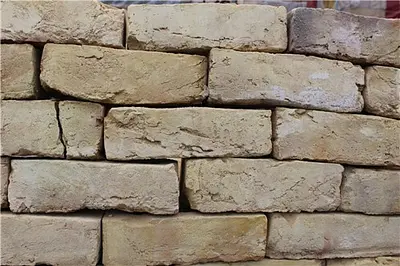 Second Hand Yellow Bricks
each
£1.44 inc VAT
£1.20 ex VAT
In the yard
-
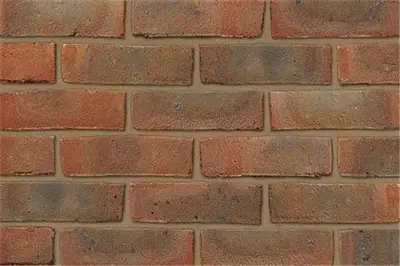 Ashdown Village Mixtures (reds)
each
£1.20 inc VAT
£1.00 ex VAT
In the yard
Prices are the shop's prices today. Stock and ordering are on www.discountbm.co.uk.
Bricks for gate piers and garden walls in ME7 See all Bricks on the shop
Delivery to Gillingham and Hempstead
- ME7
-
Free when the goods reach £41.66 ex VAT (£49.99 inc VAT).
A smaller order pays the difference up to that amount: goods of £25.00 ex VAT (£30.00 inc VAT) pay £16.66 ex VAT (£19.99 inc VAT) for delivery.
More guides for Gillingham and Hempstead
- Sub-base and pad for a log store in ME7 Type 1, sharp sand, ballast and cement for a 2.5 by 1.9 metre log store pad in ME7, with the concrete counted by volume and a worked order.
- Stud partition for a garage conversion Studs, plates, noggins and OSB bracing for a 3.6 metre garage partition in ME7, with each length counted and finished as a worked order.
- Stepped fence along a sloping side passage Panels, slotted posts, gravel boards and a gate for a 12.8 metre fence that steps down a sloping passage in ME7, counted to a worked order.